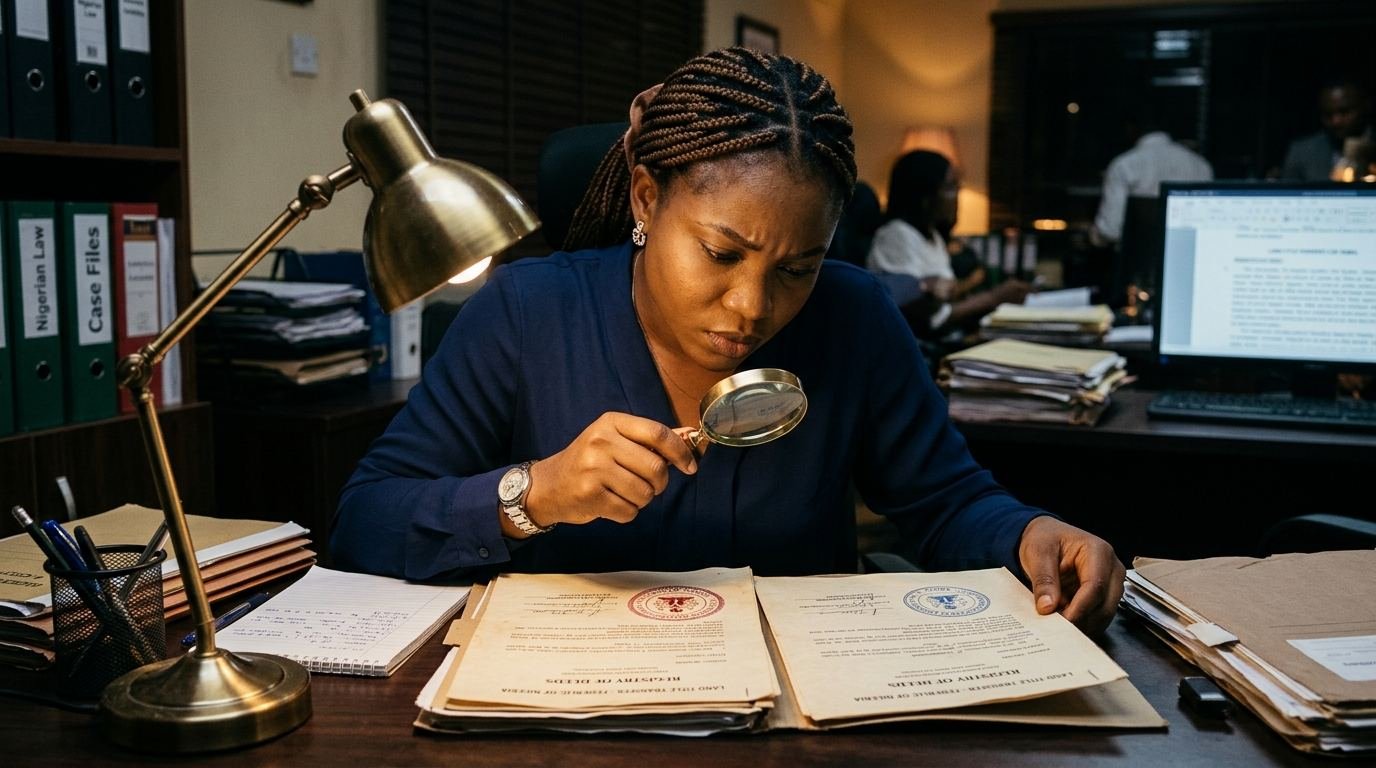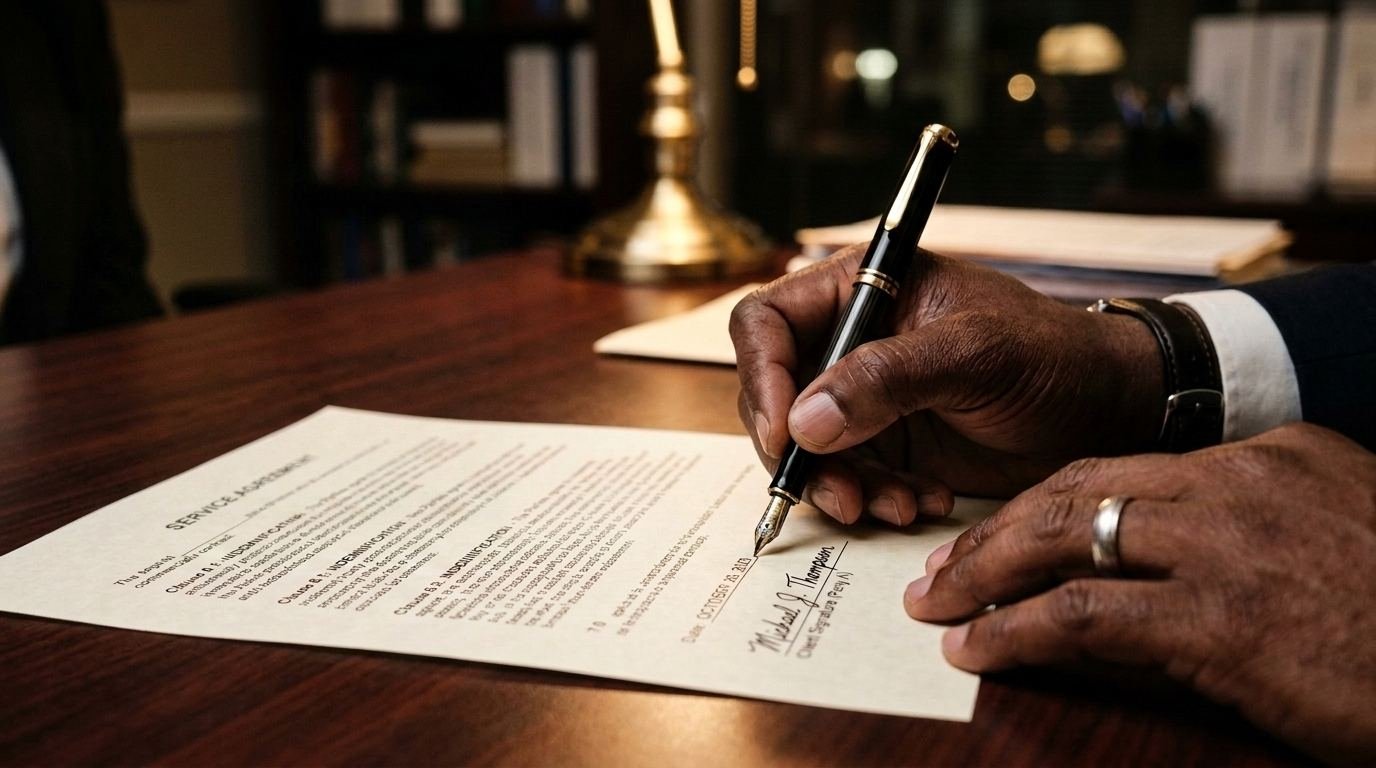
Most commercial contracts are drafted for the day they are signed. The good ones are drafted for the day they are disputed. The difference rarely shows at closing — it shows eighteen months later, when a counterparty has stopped performing and the document has to do the work the relationship no longer will.
Across recovery and dispute files, the same handful of clauses fail again and again. They are not exotic. They are the ordinary terms everyone copies forward without reading.
1. Dispute resolution that points nowhere useful
A clause that says “disputes shall be resolved amicably, failing which by arbitration” without naming the seat, the rules, the number of arbitrators or the appointing authority is an invitation to a preliminary fight about the forum before anyone reaches the merits. Name the seat. Name the rules. Decide, in advance, where enforcement will actually happen.
Every dispute clause should be drafted by imagining you have already lost the relationship and need the fastest route to a remedy.
2. Indemnities without caps, triggers or survival
An indemnity that does not say what triggers it, what it is capped at, and how long it survives completion is either uncommercial or unenforceable in the way the parties assumed. The negotiation that matters is not whether there is an indemnity — it is the cap, the basket, the time limit and the conduct conditions attached to it.
3. Force majeure copied from the wrong template
Recent years taught every commercial lawyer that force majeure is not boilerplate. Whether a clause covers a currency crisis, a regulatory ban, a pandemic or a supply shock depends entirely on its drafting — the listed events, the catch-all, the notice mechanics and the consequences. A clause that excuses performance forever, with no obligation to mitigate or resume, protects the wrong party.
4. Conditions and warranties that no one priced
Conditions precedent that are vague about who satisfies them and by when, and warranties given without a disclosure regime, both create disputes the parties thought they had closed. Diligence findings belong in the price or the warranty schedule — not in an annex no one reads until litigation.
Drafting as risk allocation
A contract is a forecast of how risk will be shared if things go wrong. The drafting question is never “is this clause standard” — it is “what does this clause say when read by a counterparty who wants out, in front of a tribunal that has never met us.” Draft for that reader, and the document holds. Draft for the handshake at signing, and it does not.
This note is general commentary on Nigerian legal practice and does not constitute legal advice or create a lawyer–client relationship. Outcomes depend on the specific facts and the applicable law at the time. For advice on a particular matter, speak with the firm.
Keep reading