An investor acquiring or financing a Nigerian mining interest often treats a valid Mineral Title Certificate from the Mining Cadastre Office as the end of the diligence exercise. It is the beginning. The certificate confirms the title was validly granted — it does not confirm the title is free of boundary overlaps, competing claims, or unresolved surface-rights disputes with the underlying landowner.
Overlap disputes are more common than assumed
Cadastral records do not always reflect real-time reconciliation between adjacent or overlapping licences — a title that appears clean on the certificate can still carry an active boundary dispute that only surfaces once operations begin and a neighbouring licence-holder objects.
The certificate proves the title was granted. It does not prove the title is the only one that was granted over that ground.
Surface rights are a separate legal layer entirely
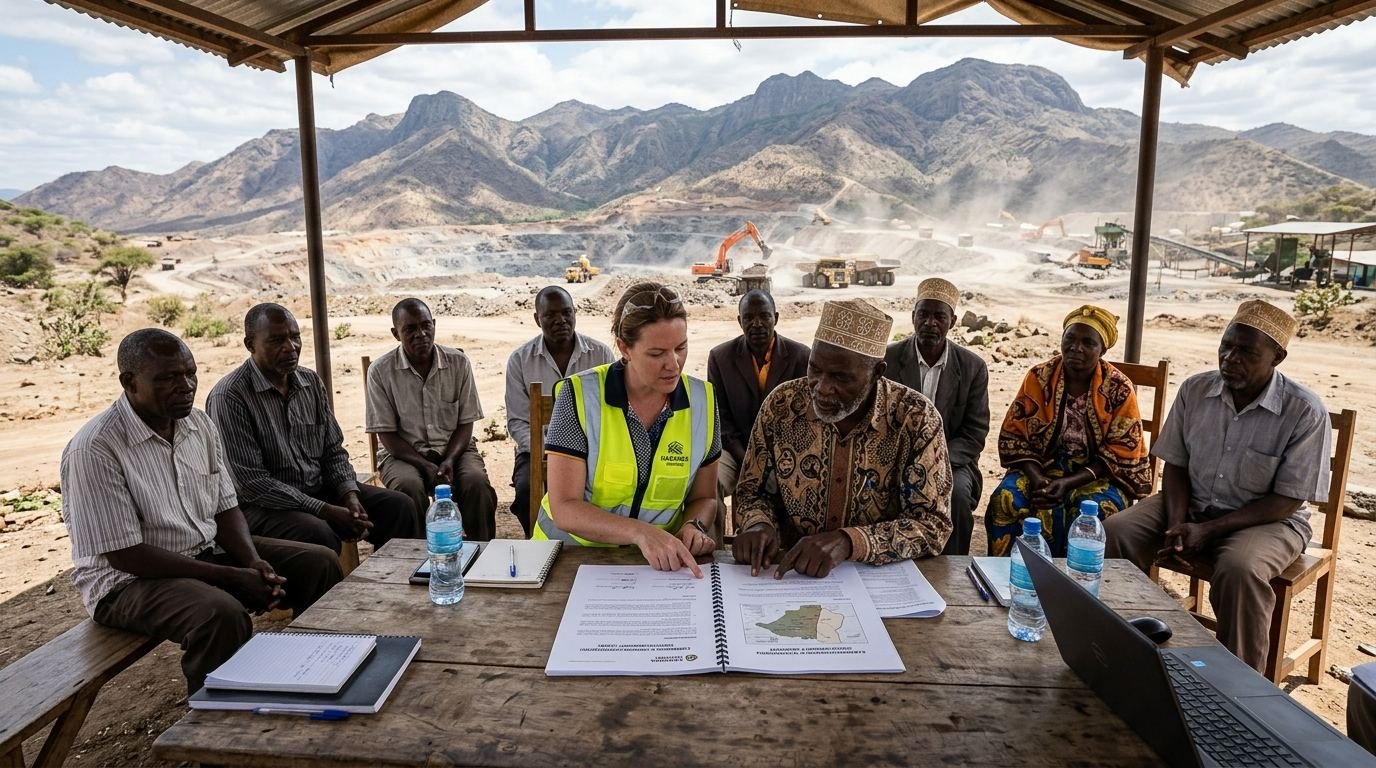
A mineral title does not automatically extinguish the surface landowner’s rights — compensation and resettlement obligations under the Minerals and Mining Act operate independently of the title itself, and unresolved surface claims are a common source of site-access disruption even where the mineral title is unquestionably valid.
What real diligence looks like
Proper diligence cross-references the cadastral record against physical site surveys, checks for pending litigation at the Mines Environmental Compliance Department and relevant courts, and confirms surface-rights compensation has actually been settled — not just budgeted for.
This note is general commentary on Nigerian legal practice and does not constitute legal advice or create a lawyer–client relationship. Outcomes depend on the specific facts and the applicable law at the time. For advice on a particular matter, speak with the firm.
Keep reading