The Nigerian Minerals and Mining Act requires a Community Development Agreement between a mining lease holder and the host community before operations begin. Too many CDAs are negotiated as a compliance formality, signed, and then never actually delivered against — which is precisely how community goodwill collapses into site disruption and litigation.
Commitments need a delivery mechanism, not just a list
A CDA that lists infrastructure, education or employment commitments without a funding schedule, a responsible party, and a timeline is a document that reads well and delivers nothing. The commitments the community actually notices are the ones tied to a specific, monitored delivery plan.
A community does not remember the CDA’s language. It remembers whether the borehole was actually built by the date the document promised.
Governance structure matters as much as content
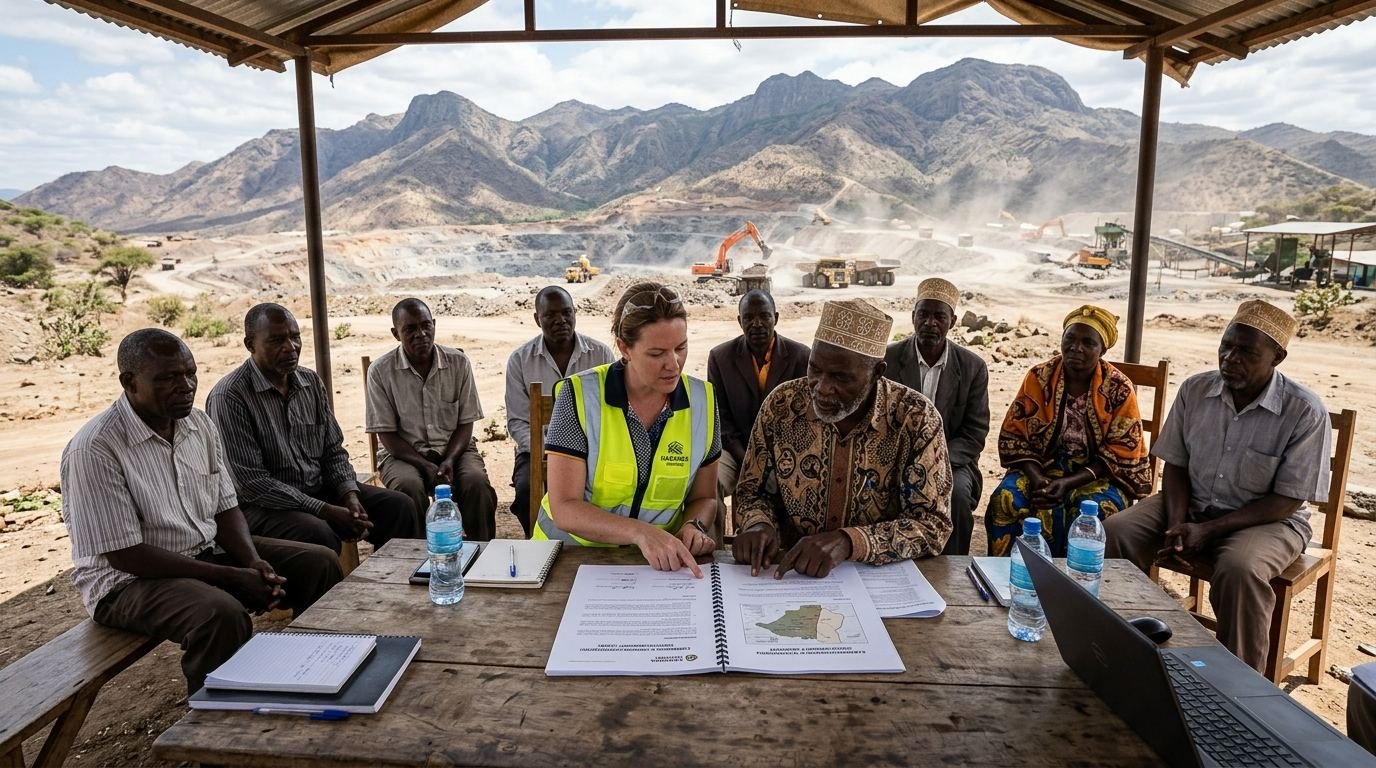
A joint CDA management committee, with genuine community representation and a transparent reporting cadence, is what converts the agreement from a static document into a working relationship — and gives the operator early warning when expectations and delivery start to diverge.
Renegotiation, not just enforcement
Mining projects run for decades; community needs change over that period. Building a structured review and renegotiation mechanism into the CDA from the outset avoids the alternative — a community that eventually concludes the only way to renegotiate is to disrupt operations.
This note is general commentary on Nigerian legal practice and does not constitute legal advice or create a lawyer–client relationship. Outcomes depend on the specific facts and the applicable law at the time. For advice on a particular matter, speak with the firm.
Keep reading