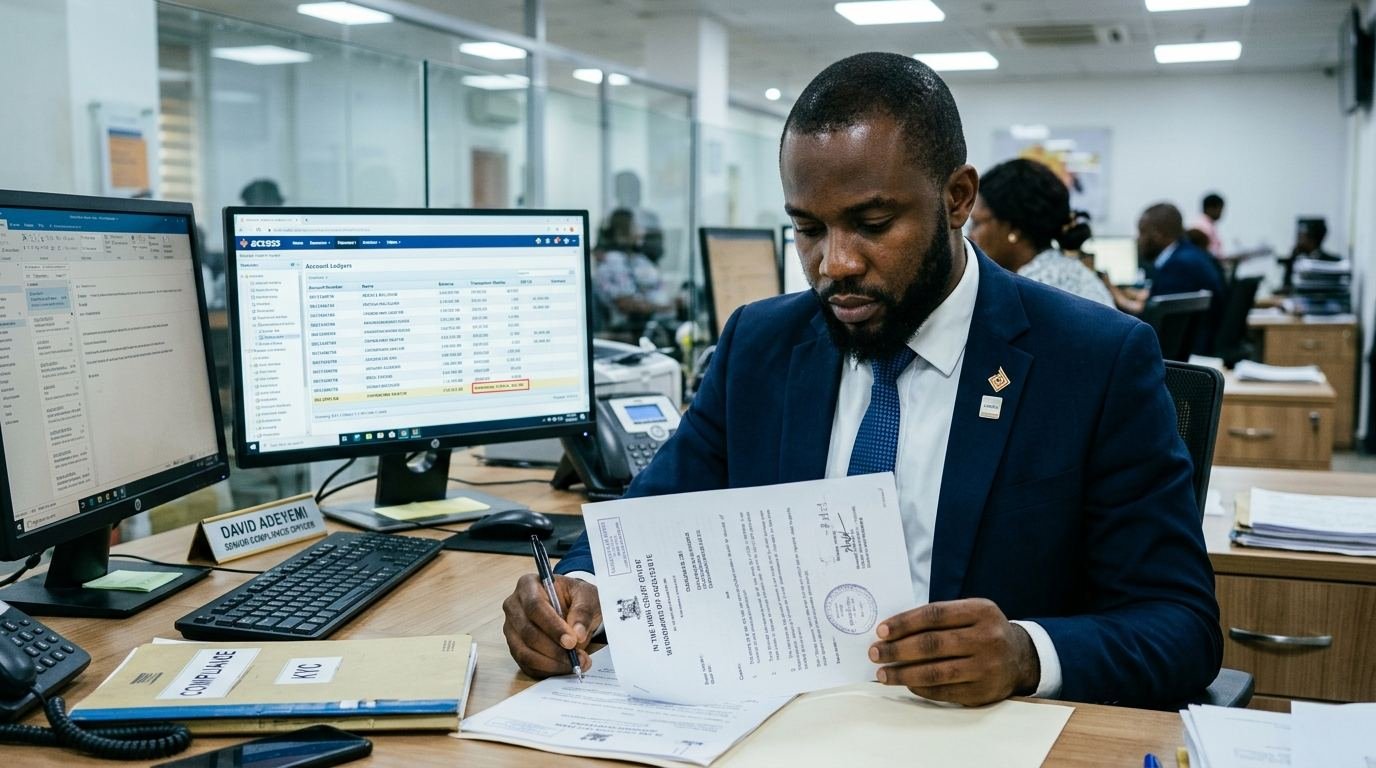
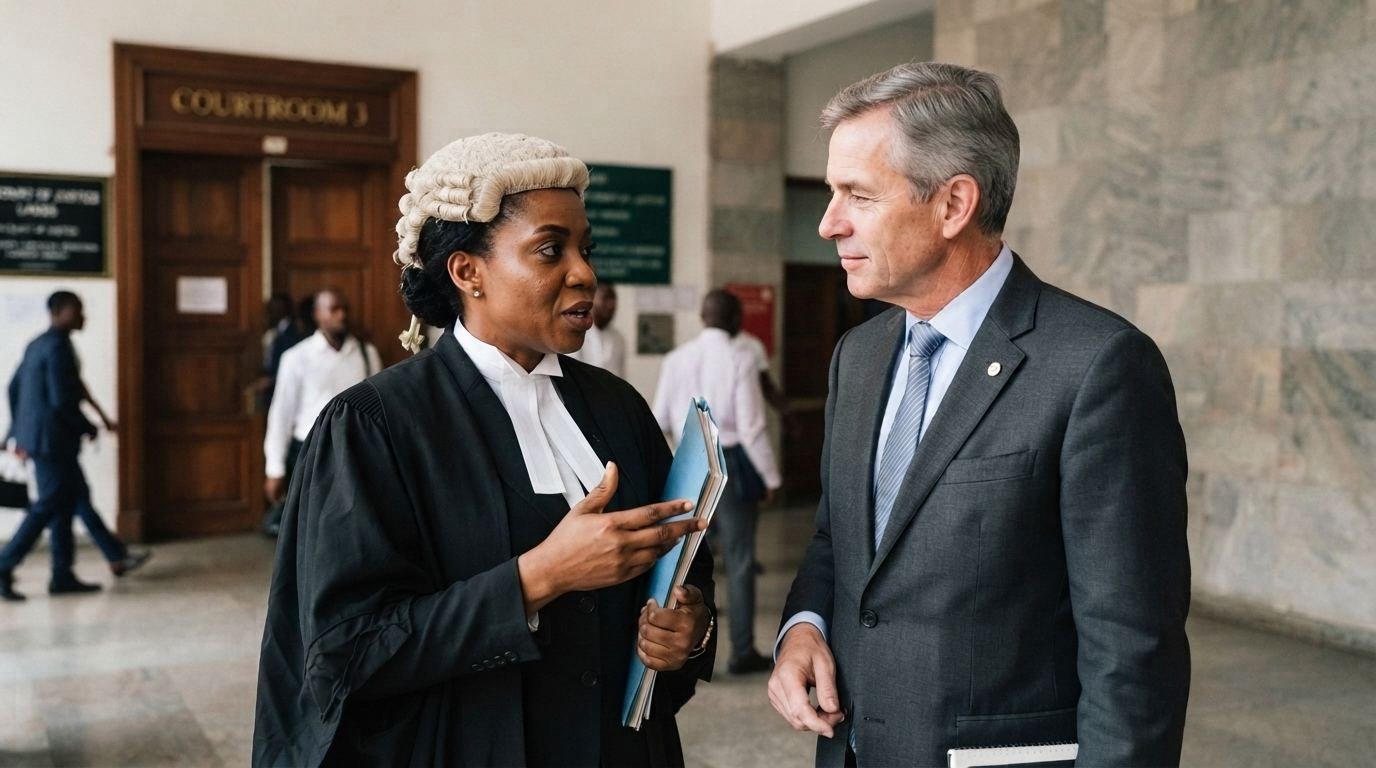
Adaeze leads the firm’s recovery and enforcement files day-to-day — the disciplined post-judgment work that converts a court order into a banked result.
Her practice is built on a single conviction the firm shares: a judgment is the midpoint of a matter, not its conclusion. The work that actually pays the client happens after the order is made — in the asset tracing, the garnishee sequencing, the attachments and the settlements that close out a file.
How Adaeze works
Each enforcement file is run on a written timetable. The debtor’s current asset surface is mapped before service of process; garnishee tracks against multiple banks are sequenced deliberately so contestation in one does not stall the others; and every material step is recorded so the client always knows where the recovery stands.
On harder files — recalcitrant debtors, sustained stay applications, or judgments inherited from prior counsel — the posture is straightforward: re-map the assets, re-set the sequence, and run parallel tracks until the recovery clears.