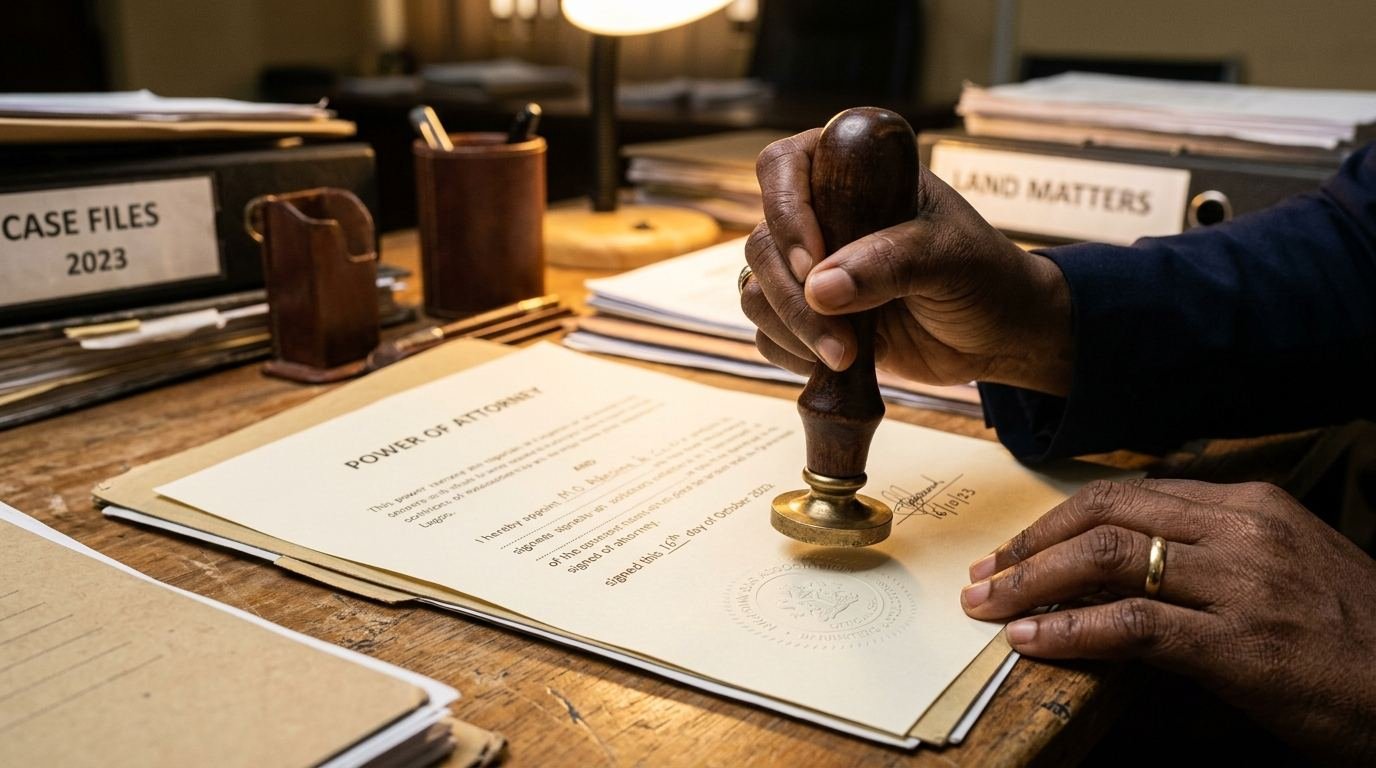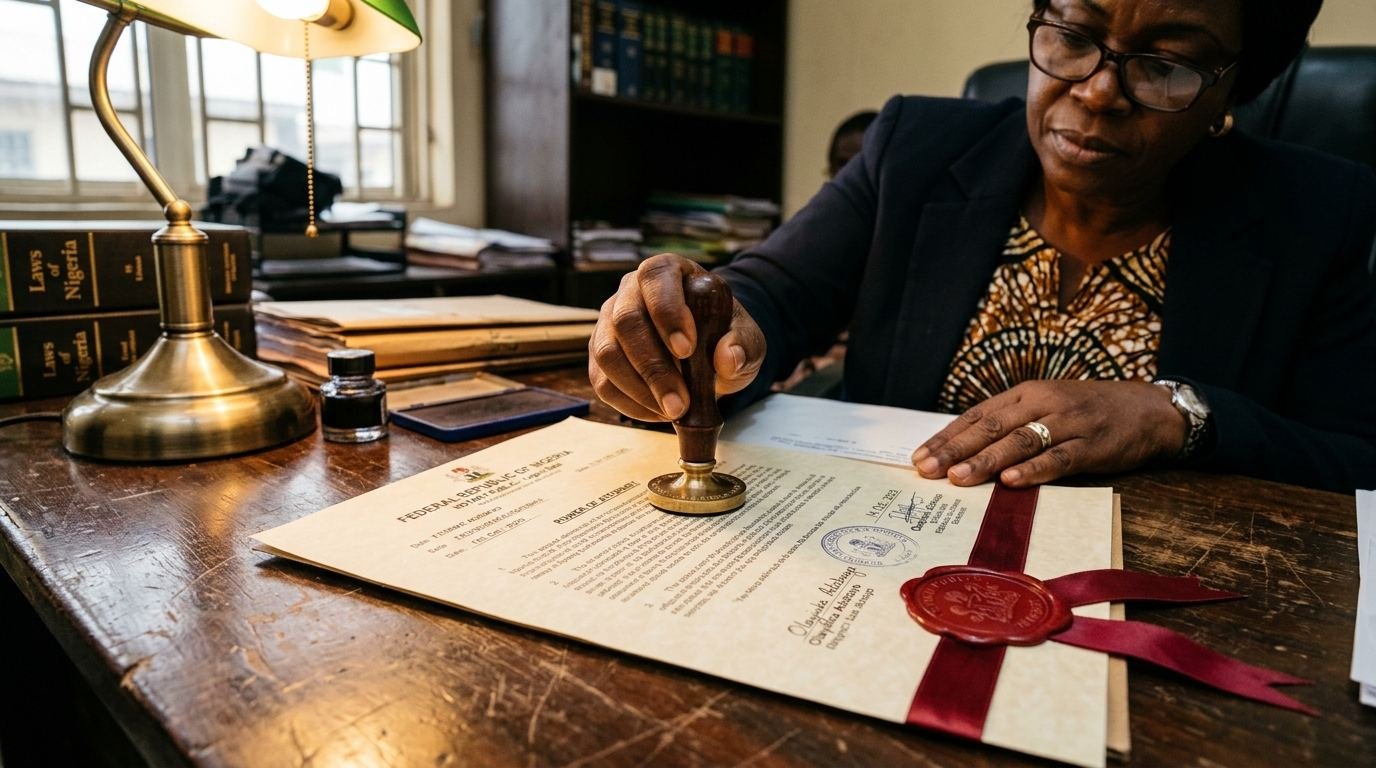
Nigeria is not a party to the 1961 Hague Apostille Convention. A Nigerian document destined for use in a country that expects an apostille — because the sender assumed the process was universal — will be rejected by the receiving authority, regardless of how properly it was notarised locally.
The route Nigerian documents actually need
A Nigerian document for use abroad follows the consular legalisation chain: notarisation, authentication by the Ministry of Foreign Affairs, and legalisation by the receiving country’s embassy or consulate in Nigeria — a multi-step process that an apostille shortcut cannot substitute for.
Assuming an apostille will work because it is faster elsewhere is how a document meant to save time ends up costing an extra round trip through the correct process.
Where the process commonly breaks down
Missing a step in the chain — submitting directly to an embassy without the prior Ministry of Foreign Affairs authentication, for instance — results in outright rejection, not a minor delay, since each authority in the chain checks the seal of the one before it.
Planning around the timeline
The full consular legalisation chain takes materially longer than an apostille would in a Convention country. Building that realistic timeline into any cross-border transaction, immigration filing, or litigation deadline avoids the document becoming the bottleneck.
This note is general commentary on Nigerian legal practice and does not constitute legal advice or create a lawyer–client relationship. Outcomes depend on the specific facts and the applicable law at the time. For advice on a particular matter, speak with the firm.
Keep reading