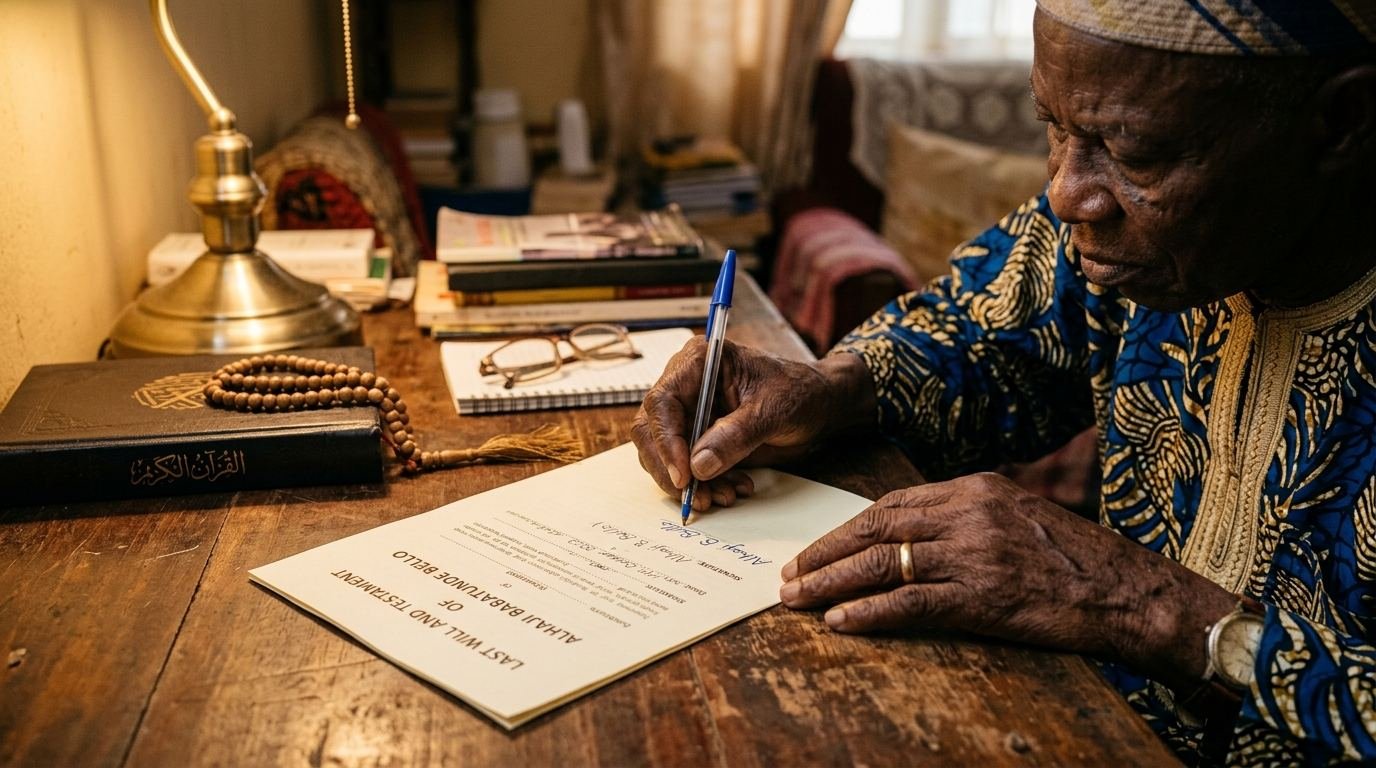
Sulh — reconciliation-based settlement — is a well-established route to resolving family and civil disputes within an Islamic legal framework, favoured for restoring relationships rather than assigning blame. The reconciliation itself, however, is only as durable as the documentation that follows it.
An oral reconciliation is not a legal instrument
A family dispute settled through sulh, with elders and religious leaders present, resolves the immediate conflict — but if the terms are never reduced to a signed instrument, either party can later dispute what was actually agreed, particularly once the emotional pressure of the original mediation has faded.
Reconciliation heals the relationship. Documentation is what protects the agreement once memories of the reconciliation start to differ.
Making sulh terms enforceable
Where the underlying dispute involves property, maintenance, or inheritance shares, the sulh agreement should be captured in a written instrument, ideally registered or made a consent judgment where court proceedings were already underway — converting a moral reconciliation into a legally enforceable settlement.
Where counsel adds value
Lawyers experienced in both the civil court system and Islamic settlement practice can draft sulh agreements that respect the reconciliation process while ensuring the resulting terms hold up if a party’s position later changes.
This note is general commentary on Nigerian legal practice and does not constitute legal advice or create a lawyer–client relationship. Outcomes depend on the specific facts and the applicable law at the time. For advice on a particular matter, speak with the firm.
Keep reading