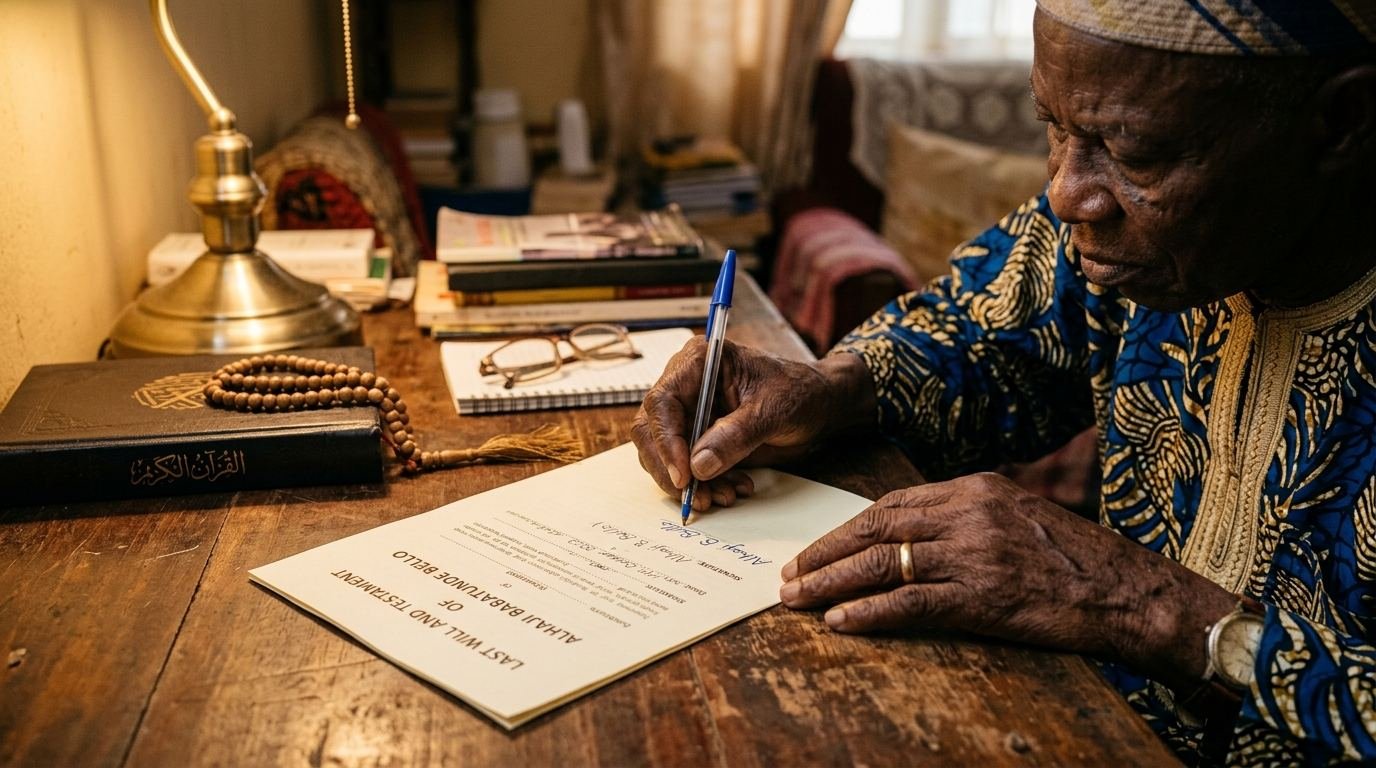
A wasiyyah — an Islamic will — is limited to one-third of the net estate, with the remainder distributed according to the fixed Faraid shares. A wasiyyah that attempts to bequeath more than a third to a non-heir, without the consent of all other heirs after death, creates exactly the kind of dispute the will was meant to prevent.
The one-third limit is not a technicality
Testators frequently want to provide for a caregiver, a charity, or a family member who would not otherwise inherit under Faraid — entirely permissible, but only within the one-third ceiling. A wasiyyah drafted without reference to the estate’s actual value at the time of drafting risks exceeding that limit without anyone realising until administration begins.
A wasiyyah that needs the consent of every heir to be valid is a wasiyyah that has already failed at its one job — preventing a dispute after death.
Drafting for clarity, not just intention
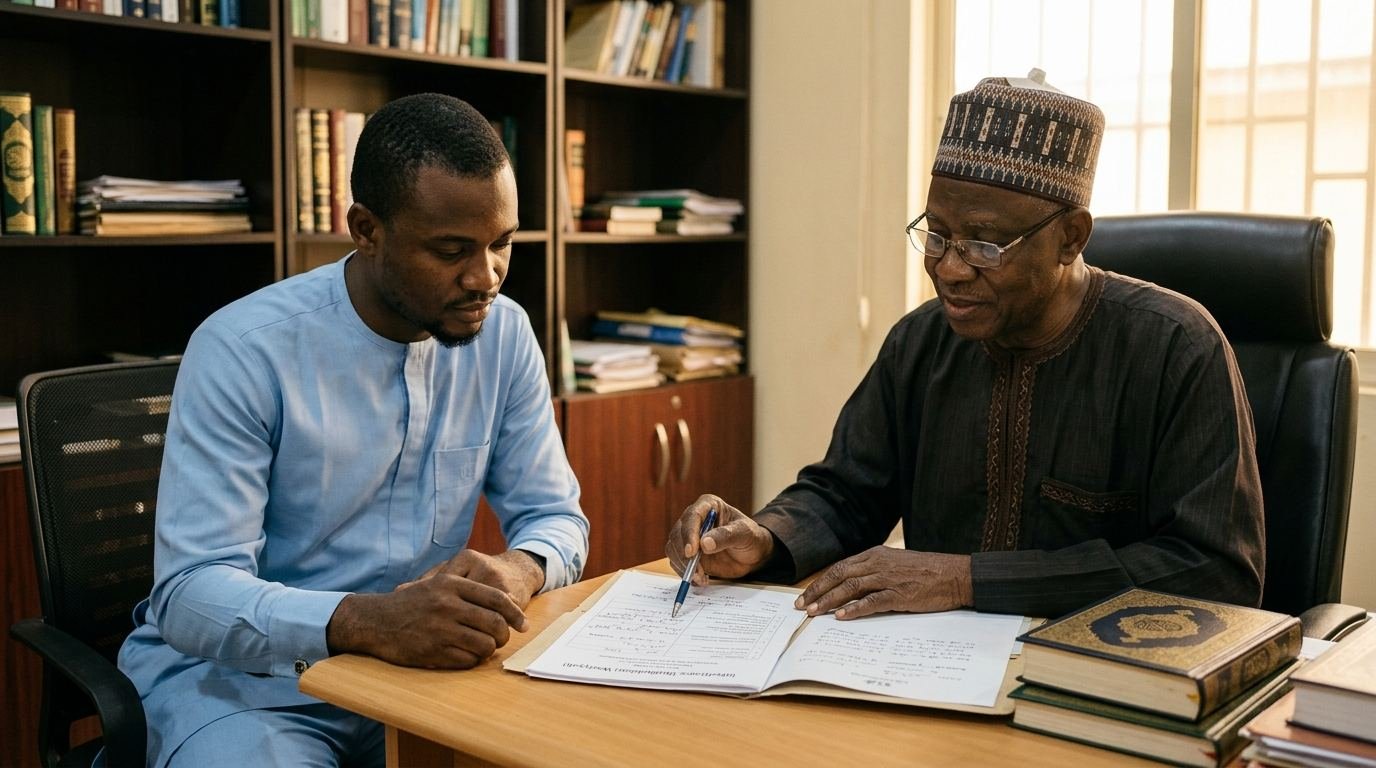
A properly drafted wasiyyah identifies the specific bequest, confirms it falls within the calculated one-third limit based on a realistic estate valuation, and is witnessed in a form the Administrator-General’s office and the relevant court will readily recognise.
Revisiting the will as the estate changes
An estate’s value and composition change over time — a wasiyyah drafted early in a person’s life against a much smaller estate can inadvertently exceed the one-third limit decades later. Reviewing the bequest periodically against current estate value is standard practice for a wasiyyah meant to actually hold.
This note is general commentary on Nigerian legal practice and does not constitute legal advice or create a lawyer–client relationship. Outcomes depend on the specific facts and the applicable law at the time. For advice on a particular matter, speak with the firm.
Keep reading